Transportation guide
How to Book High-Speed Trains in China as a Foreigner
A practical foreign visitor's guide to booking Chinese high-speed trains, choosing the right station, using your passport, boarding, luggage, seat classes, and missed-train backups.
Last updated: July 13, 2026
Rail guidance last verified: July 13, 2026
4 min read
Important notice
Train schedules, sales windows, passport verification and change or refund rules can change. Confirm the current rule and station name in China Railway 12306 or with the platform that issued your ticket.
Quick answer
Foreign visitors can take China's high-speed trains using passport-based real-name ticketing. The most common booking options are 12306, Trip.com or another travel platform, a station ticket counter, and hotel or local travel help. For a smooth trip, make sure your ticket name and passport information match exactly, arrive early at the correct station, and keep your passport, train number, gate, carriage, and seat details ready offline.
Who this guide is for
- First-time visitors booking China high-speed rail without a Chinese ID card.
- Travelers comparing 12306, Trip.com, station counters, or hotel help.
- Visitors taking common routes such as Shanghai to Hangzhou, Shanghai to Suzhou, Beijing to Xi'an, Guangzhou to Shenzhen, or Beijing to Tianjin.
- Travelers worried about passport checks, station names, boarding gates, luggage, missed trains, or tight transfers.
Major station warning
The biggest train mistake for foreign visitors is choosing the right city but the wrong station. Large Chinese cities often have several stations, and they can be far apart.
City station name table
City
Shanghai
Common station names
Shanghai Hongqiao 上海虹桥站, Shanghai Railway Station 上海站
Planning note
Hongqiao is the main high-speed hub for many routes; Shanghai Railway Station is more central but not interchangeable.
City
Beijing
Common station names
Beijing South 北京南站, Beijing West 北京西站, Beijing Chaoyang 北京朝阳站
Planning note
Check the station against your route; Great Wall transfers are a separate planning problem.
City
Xi'an
Common station names
Xi'an North 西安北站, Xi'an Railway Station 西安站
Planning note
High-speed trains usually use Xi'an North, which is outside the old city center.
City
Hangzhou
Common station names
Hangzhou East 杭州东站, Hangzhou Railway Station 杭州站
Planning note
Hangzhou East is the major high-speed hub; check West Lake transfer time.
City
Suzhou
Common station names
Suzhou 苏州站, Suzhou North 苏州北站
Planning note
Suzhou Station is closer to the old town; Suzhou North may require more transfer time.
City
Guangzhou / Shenzhen
Common station names
Guangzhou South 广州南站, Shenzhen North 深圳北站
Planning note
These are major high-speed hubs but can be far from some central hotels.
Passport real-name ticketing
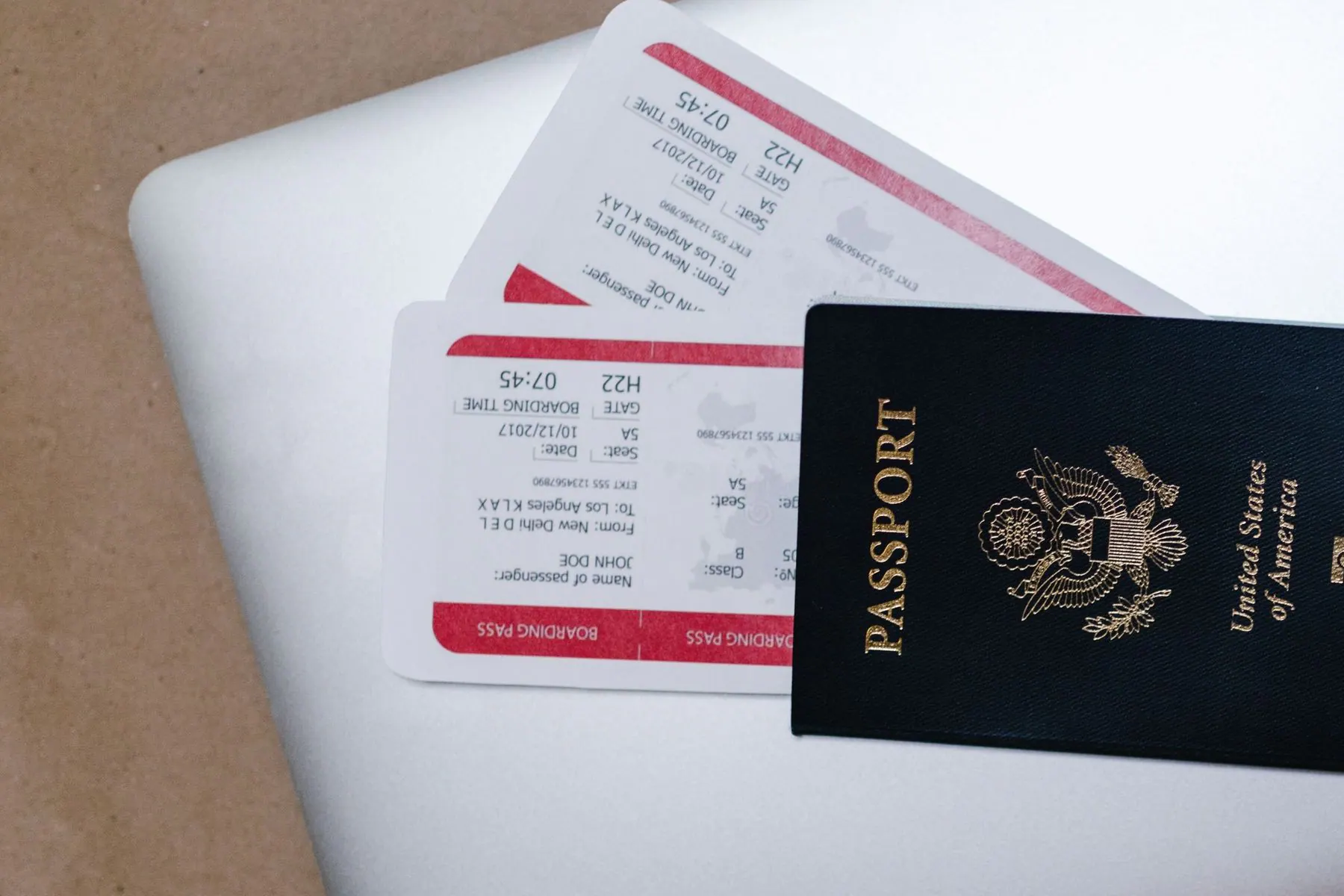
Train tickets are tied to the ID used for booking. For foreign visitors, this usually means the passport you will carry on travel day.
Station arrival process
Wrong station mistakes
Step-by-step guide
- Confirm whether your route is better by high-speed train before booking. For city pairs such as Shanghai-Hangzhou, Shanghai-Suzhou, Beijing-Xi'an, and Guangzhou-Shenzhen, trains are often easier than flying once station time is included.
- Choose a booking route: 12306 for official railway information, a travel platform for easier English support or payment, a station counter for changes and problems, or hotel help when you need the Chinese station name confirmed.
- Book with the exact passport you will carry on travel day. Your passport number and name become the ticket ID, and you may need the passport at entry gates, manual lanes, and service counters.
- Check the exact departure and arrival stations before paying. Large cities often have several major stations, and the wrong one can be far from your hotel or airport.
- Save the train number, station name, departure time, gate, carriage, and seat details as screenshots. Do not rely only on a live app connection inside a busy station.
- Arrive 45-60 minutes early for a first trip through large stations such as Beijing South, Shanghai Hongqiao, Guangzhou South, Shenzhen North, Hangzhou East, or Xi'an North.
- Enter with your passport ready, pass security, find the waiting hall or gate, and board when your train number opens. Gates normally close before the listed departure time.
- Keep luggage manageable and move to the platform queue early if you have a suitcase. Boarding is orderly, but the walking distances can be longer than visitors expect.
Common mistakes
- Booking the correct city but the wrong station, such as choosing Shanghai Railway Station when the better route leaves from Shanghai Hongqiao.
- Checking only the destination city instead of the train number. Many trains from the same station can go to the same city on the same day.
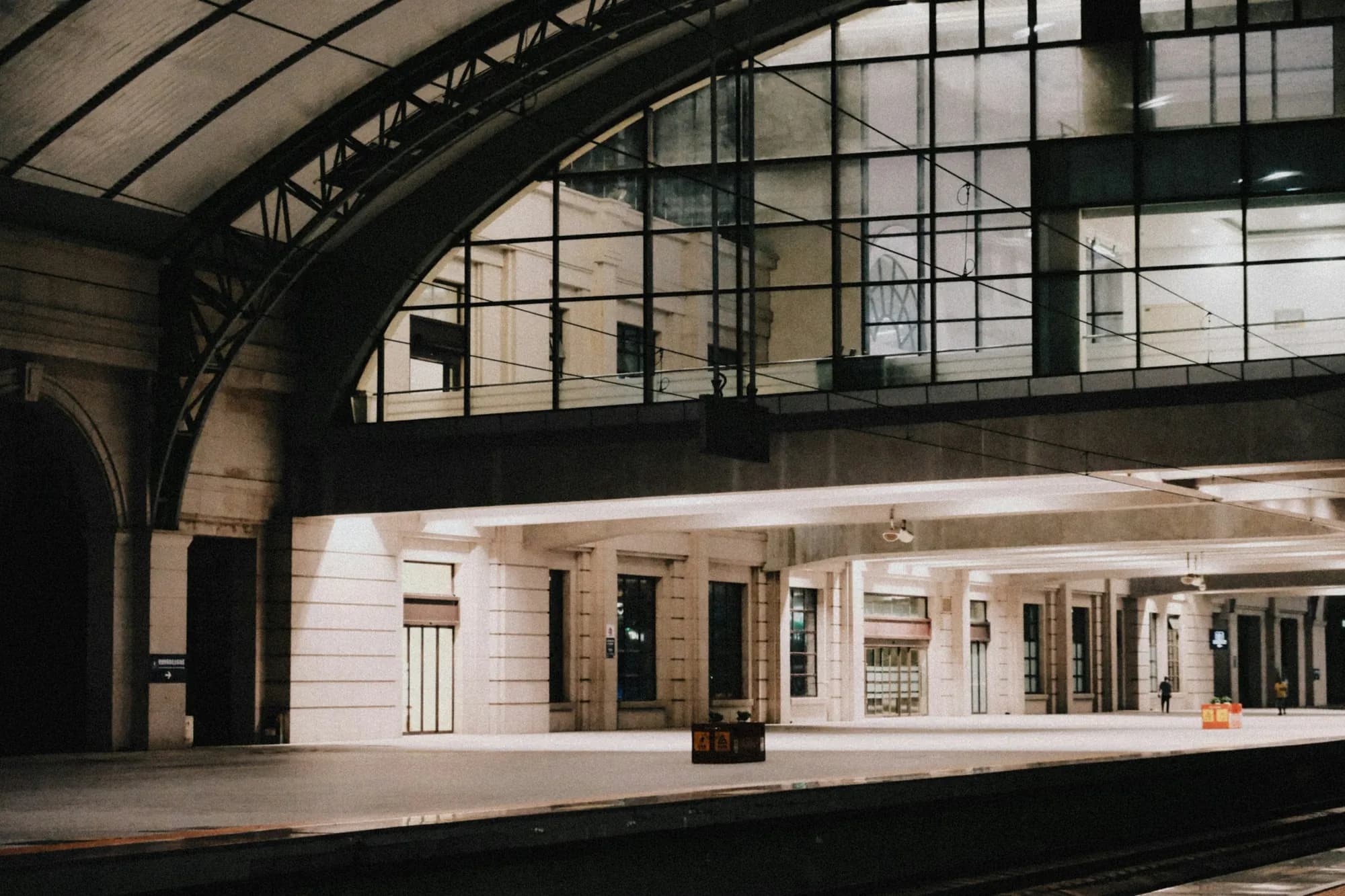
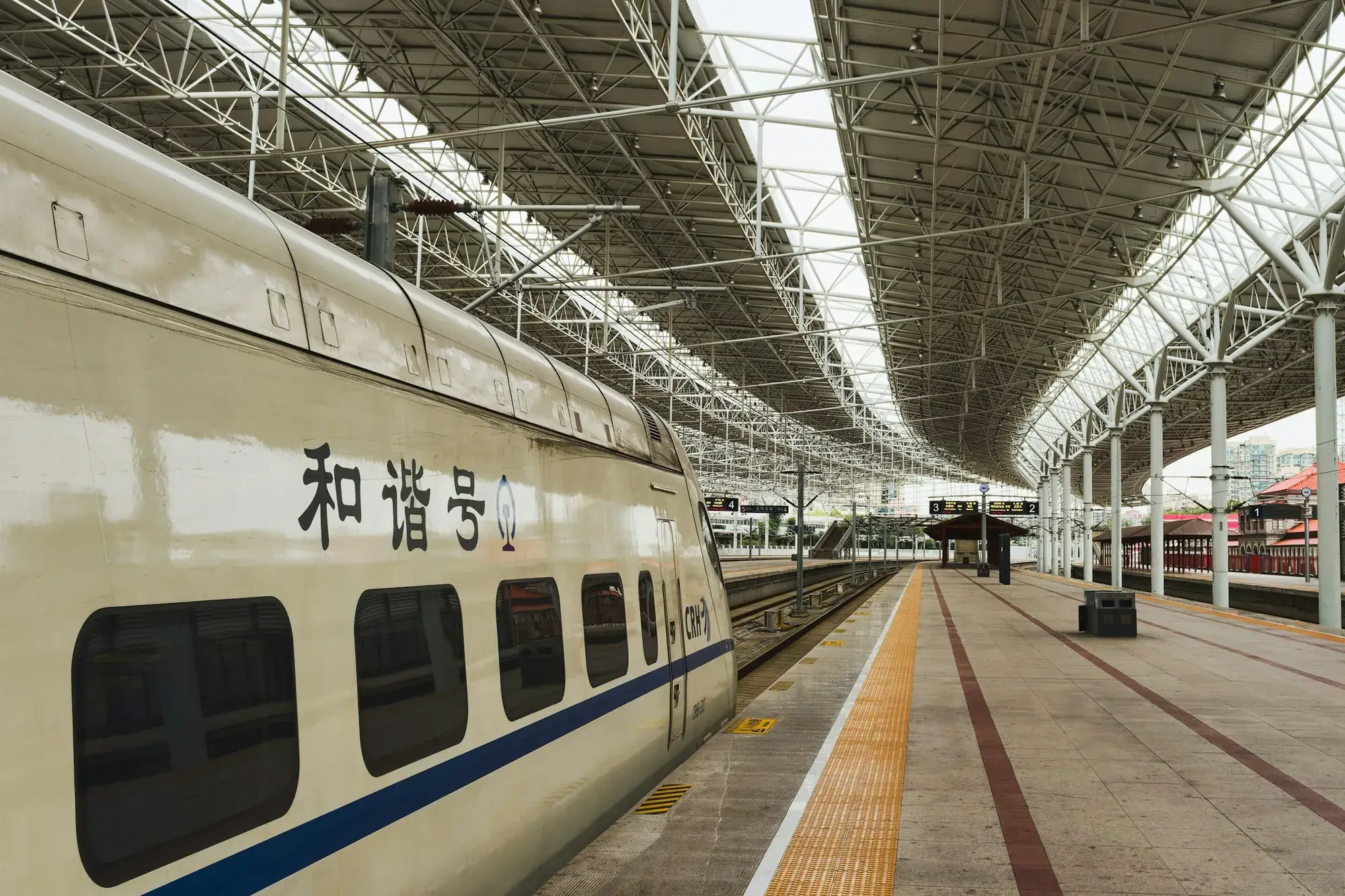
- Treating large Chinese rail stations like small city stations. Major stations can feel more like airports, with entrance checks, security, waiting halls, and long walks.
- Putting the passport deep inside a suitcase after entering the station. Keep it accessible until you are on board.
- Scheduling a tight connection after an international flight, between two different railway stations, or during a national holiday period.
- Bringing luggage that is too heavy to move quickly through security, escalators, platform queues, and carriage doors.
Troubleshooting
- If you are at the wrong station, show staff the Chinese station name and departure time immediately. Do not assume a taxi can fix it if boarding is already close.
- If gate information is confusing, search the departure board by train number, then confirm the time and final destination.
- If your passport does not scan at an automatic gate, use a staffed manual lane and show your booking confirmation.
- If you miss your train, go to a ticket office or service desk with your passport. Ask whether the ticket can be changed to a later train; options depend on the ticket rules and seat availability.
- If you cannot find your carriage, look for carriage numbers marked on the platform or ask staff with your ticket screenshot.
- If you have a tight transfer, prioritize getting to the next gate or exit first. Food, photos, and app troubleshooting can wait until the transfer is secure.
Backup plan
- If 12306 registration or payment is difficult, use a travel platform with English support or ask your hotel to help confirm station names.
- If your passport does not scan at an automatic gate, use a staffed manual lane and show your booking confirmation.
- If you miss your train, go to a ticket office or service desk immediately with your passport and booking details. Change options depend on ticket rules, timing, and seat availability.
- If you are not sure which station is correct, compare the Chinese station name with your hotel map before booking.
- If you have luggage, children, holiday crowds, or an airport-to-train transfer, add more buffer instead of booking the fastest possible connection.
Useful Chinese phrases
High-speed train station
高铁站
Gaotie zhan
Which gate is this train?
这趟车在哪个检票口?
Zhe tang che zai nage jianpiaokou?
I need help finding my platform.
我需要帮忙找站台。
Wo xuyao bangmang zhao zhantai.
I booked this train ticket with my passport.
我用护照买了这张火车票。
Wo yong huzhao mai le zhe zhang huochepiao.
I missed my train. What should I do?
我错过火车了,应该怎么办?
Wo cuoguo huoche le, yinggai zenme ban?
First-day checklist
- Passport used for booking is in your hand luggage.
- Departure and arrival station names saved in English and Chinese.
- Train number, departure time, gate, carriage, and seat details screenshotted.
- Hotel transfer plan from the arrival station saved.
- Payment backup ready for station food, taxis, or ride-hailing.
- Water, snacks, power bank, and manageable luggage prepared for the ride.
Can foreigners buy high-speed train tickets in China?
Yes. Foreign visitors can buy high-speed train tickets in China, but the ticket must be linked to the passport you will carry on travel day. The main planning habit is simple: use your passport name exactly, save the train details offline, and check the exact station before you pay.
Booking options
The official 12306 system is the core railway booking platform. Some visitors book through travel platforms because the interface, support, or payment flow feels easier. Station counters can help with changes or problems, and hotel staff can be useful when you need Chinese station names confirmed before booking.
- 12306: official railway source, best for direct train information.
- Travel platforms: useful when you want English support or easier payment.
- Station counters: useful for missed trains, changes, and passport scan problems.
- Hotel help: useful for confirming the right Chinese station name before you book.
Passport and ticket ID
Your passport is usually your ticket ID. Keep the same passport used for booking with you from station entry to boarding. If an automatic gate does not read your passport, use a staffed manual lane and show your booking confirmation.
Choose the right railway station
Many Chinese cities have multiple large railway stations. Do not book only by city name. Compare the station with your hotel area, airport arrival point, and next transfer. A train leaving from the wrong station can cost more time than the train ride itself.
Shanghai example
Shanghai Hongqiao is a major high-speed rail hub next to Hongqiao Airport and useful for many routes to Hangzhou, Suzhou, Beijing, and other cities. Shanghai Railway Station is more central and serves different routes. They are not interchangeable, so save the Chinese name and map pin before booking.
At the station
For a large station, arrive 45-60 minutes early on your first trip. You need time for entrance checks, security screening, finding the waiting hall, watching the gate board, and walking to the platform. Boarding normally opens shortly before departure and gates close before the listed train time.
Train number, gate, carriage, and seat
Use the train number as your anchor, not just the destination city. The same station may have many trains going to the same city. After the gate opens, follow the platform signs to your carriage number, then find your row and seat. Screenshots of the train number, carriage, and seat help when data is weak.
Luggage and seat classes
Most travelers bring normal suitcases on high-speed trains, but heavy luggage makes station walking and boarding harder. Second class is the best value for most visitors. First class gives more space and a calmer ride. Business class is premium and comfortable, but usually only worth it if rest, work, or comfort matters more than budget.
If you miss your train
Go to a ticket counter or service desk as soon as possible with your passport and booking details. Staff may be able to change you to a later train depending on ticket rules, availability, and timing. Do not wait at the gate hoping it will reopen after boarding closes.
Transfer time advice
Avoid tight train connections on your first China rail day. Leave at least 60-90 minutes between major station transfers, more if you are arriving from an international flight, changing stations, carrying large luggage, or traveling during holidays.
Official resources to verify
Next step
Turn this guide into a working trip plan
Get the Free China First Trip Checklist
Prepare payment apps, train tickets, hotel addresses, transport backup, and emergency phrases before you travel.
Browse Itinerary Kits
Use ready-to-adjust routes for Shanghai, Beijing, Xi'an, Hangzhou, Suzhou, and classic China trips.
Browse City Kits
Check city-specific railway stations, hotel areas, Chinese addresses, and first-day transport notes.
Ask a China Trip Question
Send your cities and travel dates if you need help choosing train stations or route pacing.