Food guide
How to Order Food in China as a First-Time Visitor
A practical guide to menus, QR ordering, spice levels, dietary phrases, payment, street food, and easy first meals in China.
Last updated: July 13, 2026
4 min read
Quick answer
The easiest way to order food in China is to combine picture menus or QR menus with camera translation, a few saved Chinese phrases, and a working mobile payment method. Start with simple first meals near your hotel, then expand to street food, hot pot, local breakfast, and regional dishes once payment and translation feel comfortable.
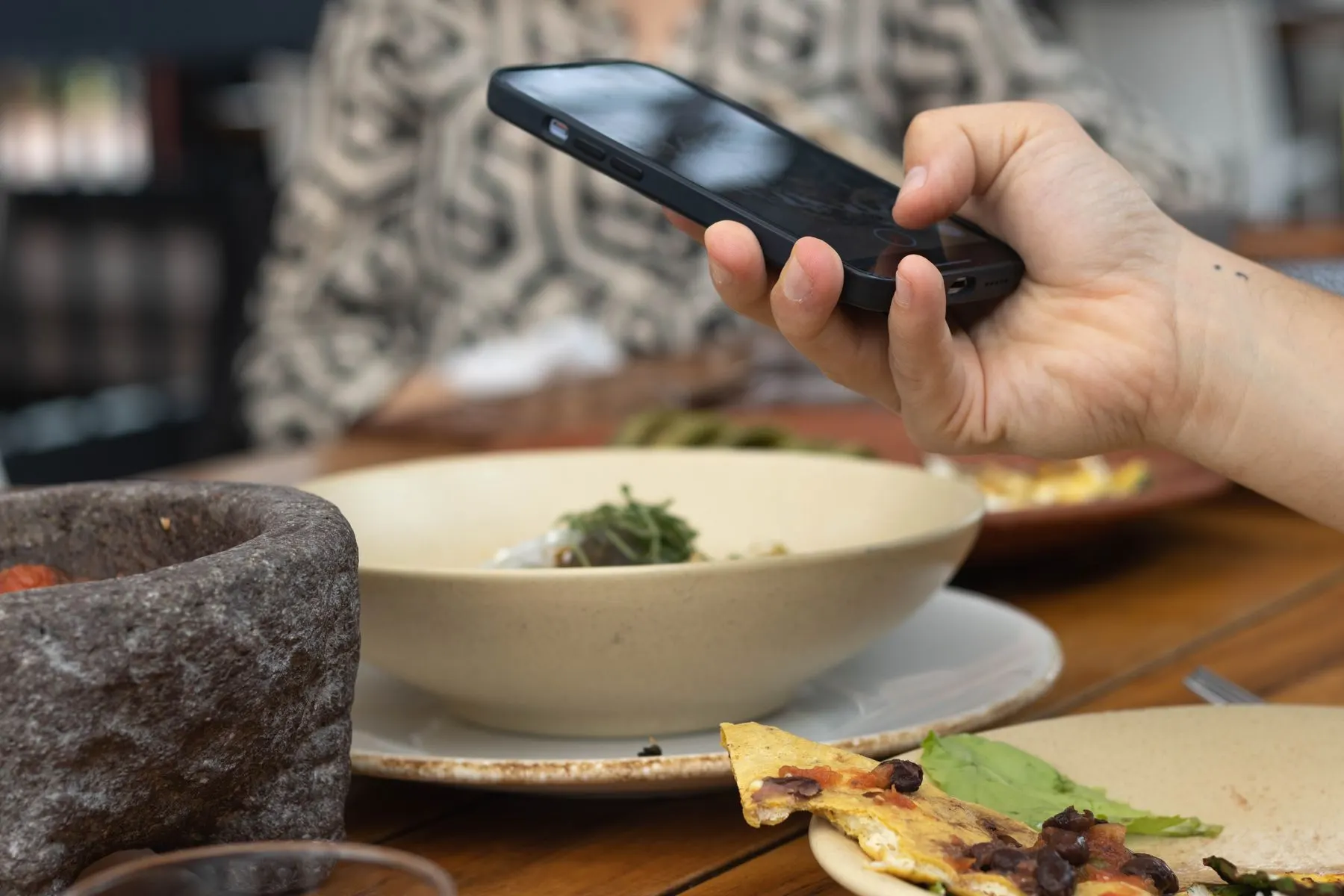
Step-by-step guide
- Prepare payment before your first restaurant meal. Many casual restaurants expect Alipay or WeChat Pay, and some table QR menus connect directly to mobile payment.
- Use camera translation for menus, but keep requests short. A clear phrase such as 'not spicy' or 'no peanuts' works better than a long paragraph.
- Choose easier first meals: dumplings, noodles, rice bowls, mall food courts, hot pot chains, or restaurants with pictures.
- Save dietary needs in Chinese characters if you have allergies, vegetarian needs, or spice limits. Show the text before ordering, not after food arrives.
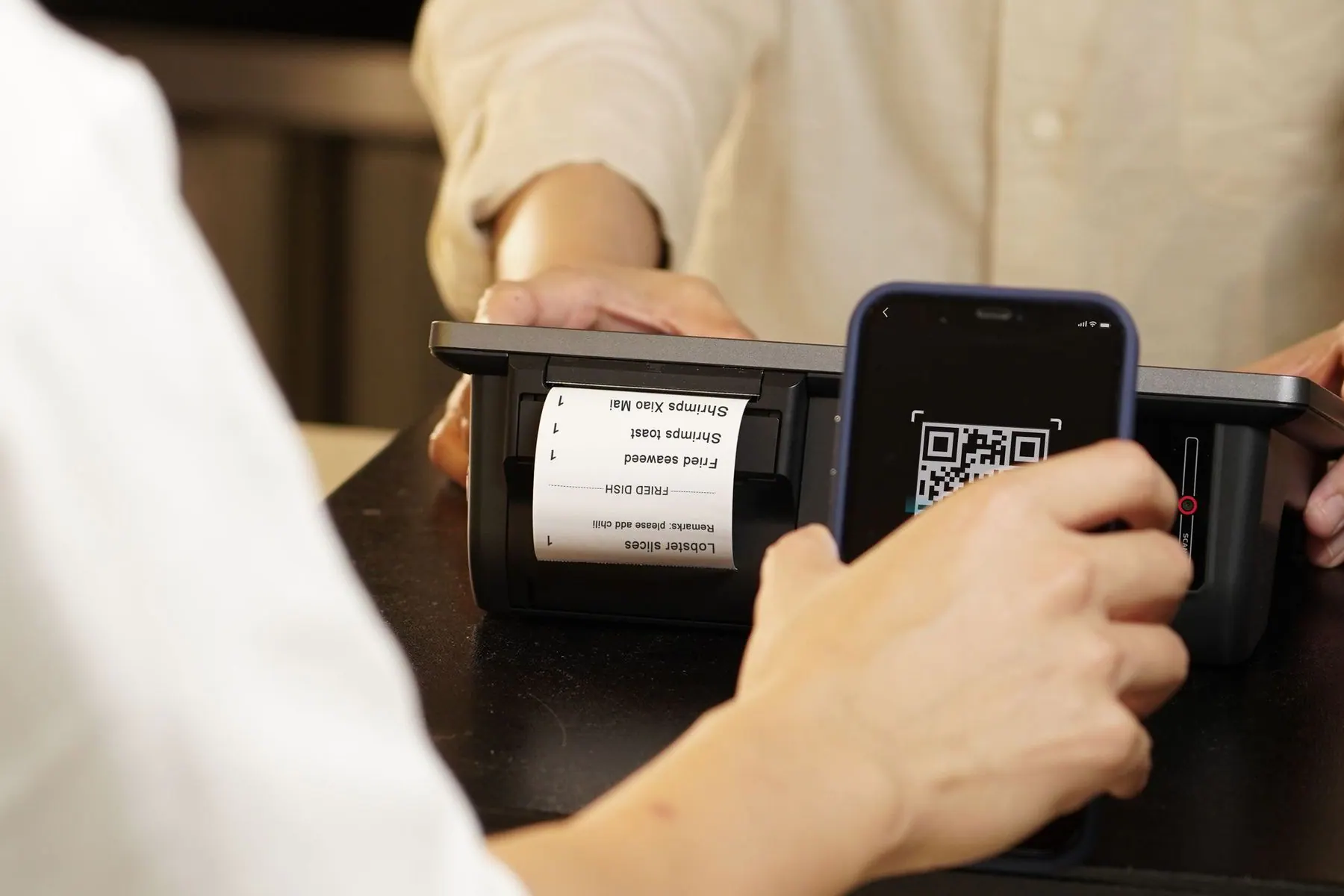
- When a restaurant uses a table QR code, scan it, choose dishes, submit the order, and pay if prompted. If the menu is confusing, ask staff for help with one short translated sentence.
- After the meal, ask for the bill or follow the QR/payment flow. In many places, the order may already be paid through the phone.
Common mistakes
- Starting the trip with a complicated local restaurant before payment, data, and translation are working.
- Assuming 'not spicy' means the same thing everywhere. Regional spice levels vary, so be extra clear in Sichuan, Chongqing, Hunan, and some hot pot restaurants.
- Showing only pinyin for allergy or dietary needs. Staff need Chinese characters to understand quickly.
- Ordering too many dishes because portions are unclear. Start smaller and add more if needed.
- Forgetting that table QR codes may require mobile data, app login, or local payment.
Troubleshooting
- If the QR menu will not open, ask staff whether they have a paper menu, picture menu, or can take your order directly.
- If translation produces strange dish names, look for photos, ingredient words, or ask staff for popular choices.
- If payment fails after ordering, try the cashier-scans-you flow, another wallet, a backup card if accepted, or cash.
- If spice level is too high, order rice, plain noodles, cucumber, egg dishes, or bottled drinks instead of trying to push through the meal.
- If you have a serious allergy, use a professionally prepared Chinese allergy card and choose simpler restaurants where ingredients are easier to confirm.
First-day checklist
- Payment app opens and card is linked.
- Camera translation is ready.
- Hotel area has one easy meal option saved.
- Spice and allergy phrases are saved in Chinese.
- Small cash backup is available.
- Bottled water phrase and bill phrase are saved.
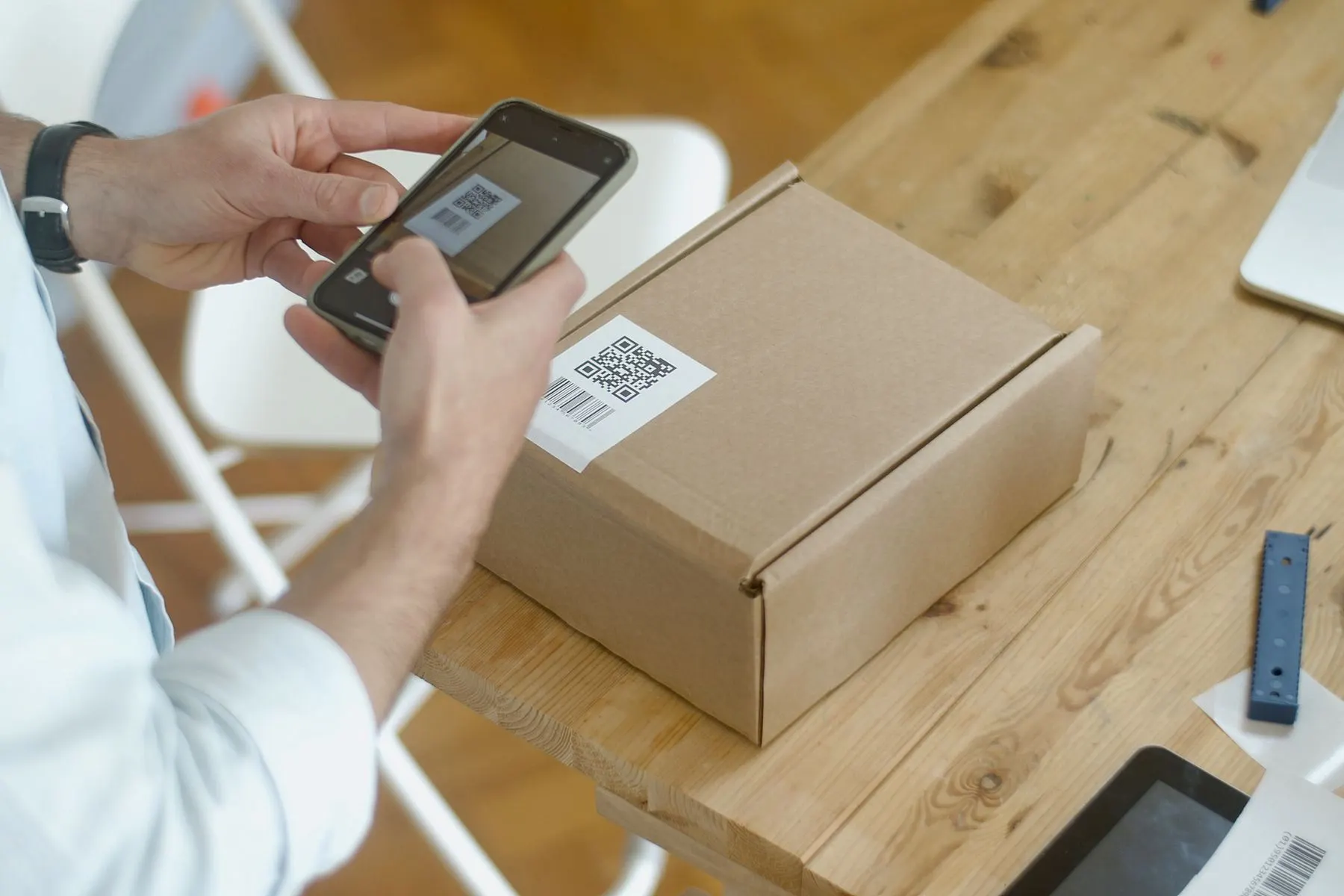
Expect QR menus and phone-first ordering
Many restaurants use table QR codes, picture menus, or cashier ordering. If a QR menu is difficult, show staff a translated sentence asking for help or choose a restaurant with pictures, counter ordering, or a mall location for your first meal.
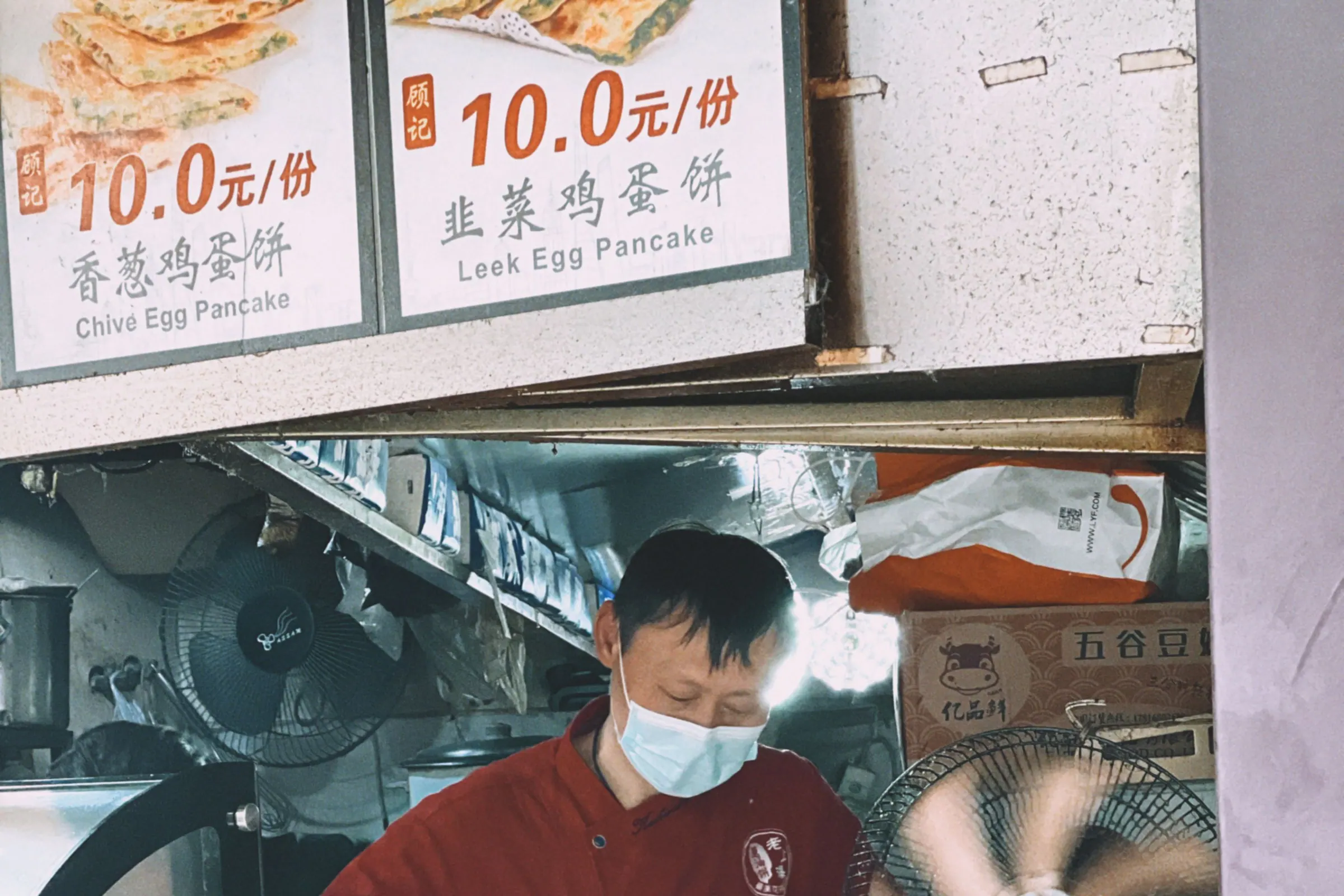
- Keep camera translation ready for printed and digital menus.
- Use short phrases for spice level, allergies, and no meat requests.
- Confirm payment before ordering if your wallet setup is still new.
Start with easy first meals
Noodle shops, dumpling restaurants, mall food courts, hot pot chains, and hotel-area cafes are good first meals because ordering is more predictable. Save street food adventures for when payment, translation, and your stomach have adjusted.
Useful food phrases
Prepare a few phrases in Chinese characters, not only pinyin: less spicy, not spicy, no peanuts, no meat, bottled water, and the bill. Showing clear Chinese text is often faster than speaking in a noisy restaurant.