Itinerary Kit
240-Hour Visa-Free China Itinerary Kit
A visa-free-friendly route centered on Shanghai and nearby Yangtze River Delta cities. Travelers must confirm current eligibility, entry city rules, onward ticket requirements, and permitted travel area before booking.
Duration
10 days
Cities
Shanghai + Hangzhou + Suzhou
Last updated
July 19, 2026
Important notice
This is a planning guide, not immigration advice. 240-hour visa-free transit eligibility can depend on nationality, entry and exit ports, confirmed onward ticket, third country or region routing, and the permitted stay area for the port you use. Rules can change. Confirm your eligibility and entry port with China’s National Immigration Administration or your airline before travel.
Quick answer
As last verified on July 19, 2026, the National Immigration Administration lists 55 eligible nationalities, 65 entry ports, and permitted travel areas across 24 provincial-level regions. Those totals can change, so use the linked NIA pages for your final check.
Who this itinerary is for
Eligible transit passengers who want a visa-free eastern China route with practical city logistics.
- Eligible travelers using Shanghai as a transit entry point.
- Visitors who want China highlights without applying for a standard tourist visa.
- Travelers who prefer cities connected by short high-speed rail rides rather than long domestic flights.
Who should choose a different route
- Travelers without a confirmed onward ticket to a third country or region.
- Visitors whose nationality, port, routing, or stay area is not covered by current official rules.
- Anyone who wants to visit cities outside the permitted administrative travel area for their entry port.
- Travelers who need legal certainty and should apply for a standard visa instead of relying on transit rules.
Route overview
- As last verified on July 19, 2026, the National Immigration Administration lists 55 eligible nationalities, 65 entry ports, and permitted travel areas across 24 provincial-level regions. Those totals can change, so use the linked NIA pages for your final check.
- This route is built around Shanghai plus nearby high-speed rail cities that are commonly paired with a visa-free transit stay. It is practical, low-friction, and easy to adjust if eligibility rules or arrival times change.
- The plan intentionally includes buffer time because transit immigration rules, onward ticket checks, and airport transfers can take longer than a normal domestic arrival.
- Use it as a route framework only after confirming your nationality, port, onward ticket to a third country or region, and allowed travel area. NIA guidance generally calculates the 240-hour period from 00:00 on the day after entry; confirm the exact departure deadline at your entry port.
Step-by-step planning flow
- Confirm your arrival point, departure point, and hotel base before adding extra neighborhoods or day trips.
- Save Chinese addresses for each station, airport, hotel, and main attraction you expect to use.
- Book time-sensitive tickets first, then leave meals and low-stakes walks flexible for weather and energy.
- Keep one removable stop each day so the route still works if payment setup, transport, or jet lag takes longer than expected.
Day-by-day plan
Day 1
Arrive in Shanghai
Morning: Land in Shanghai and complete transit immigration procedures if eligible.
Afternoon: Check in and set up payment, maps, and mobile data.
Evening: Short Bund walk if energy allows.
Transport: Use airport metro, Maglev plus metro, or ride-hailing.
Food: Choose an easy dumpling or noodle dinner.
Budget note: Keep your first hotel central to simplify arrival.
Day 2
Shanghai Essentials
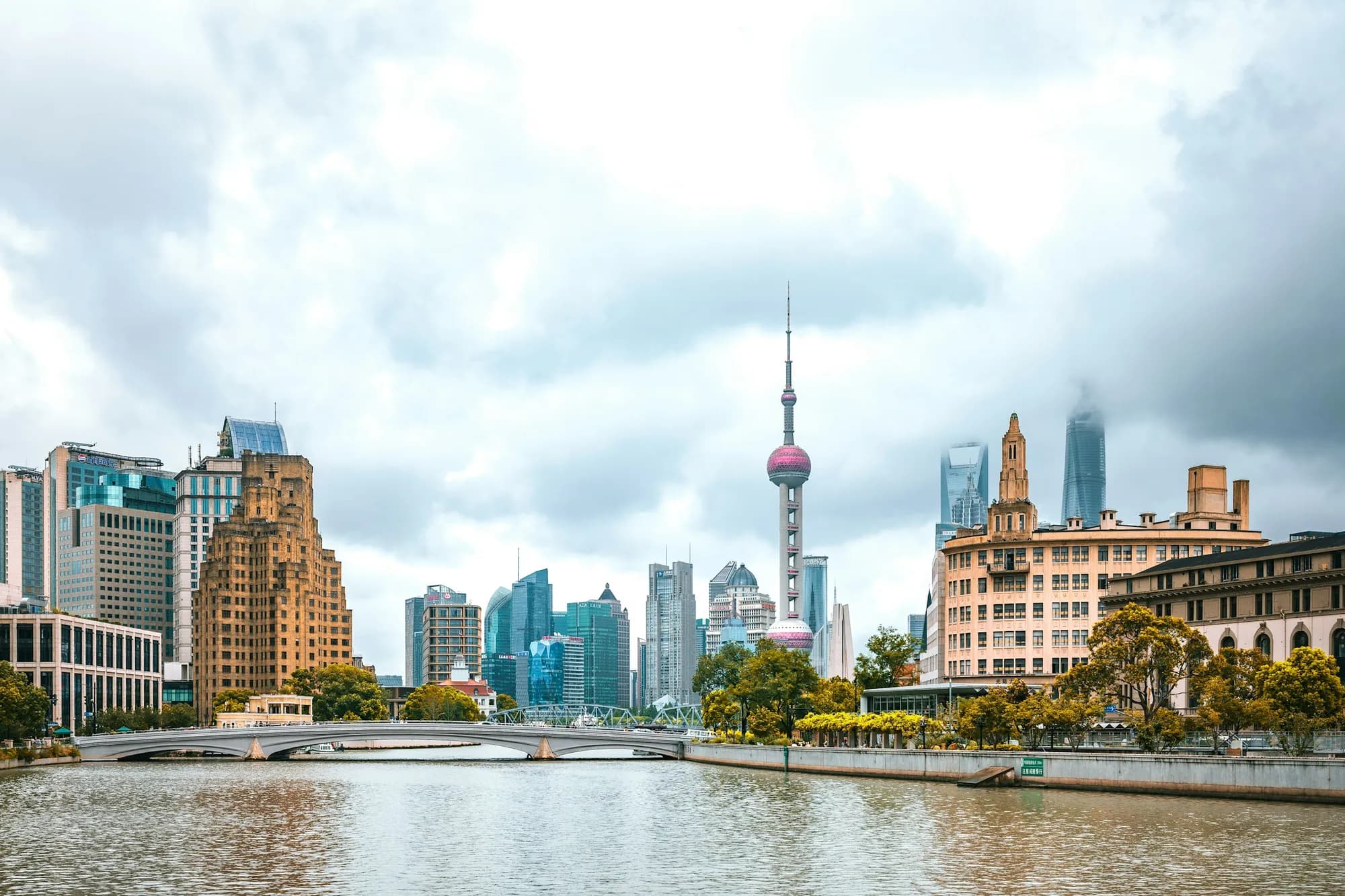
Morning: Yu Garden and Old City.
Afternoon: People's Square, museum, or Nanjing Road.
Evening: The Bund and skyline views.
Transport: Metro Line 2 is useful for many central stops.
Food: Xiaolongbao and scallion oil noodles.
Budget note: Free skyline walks help balance higher hotel costs.
Day 3
French Concession and Local Life
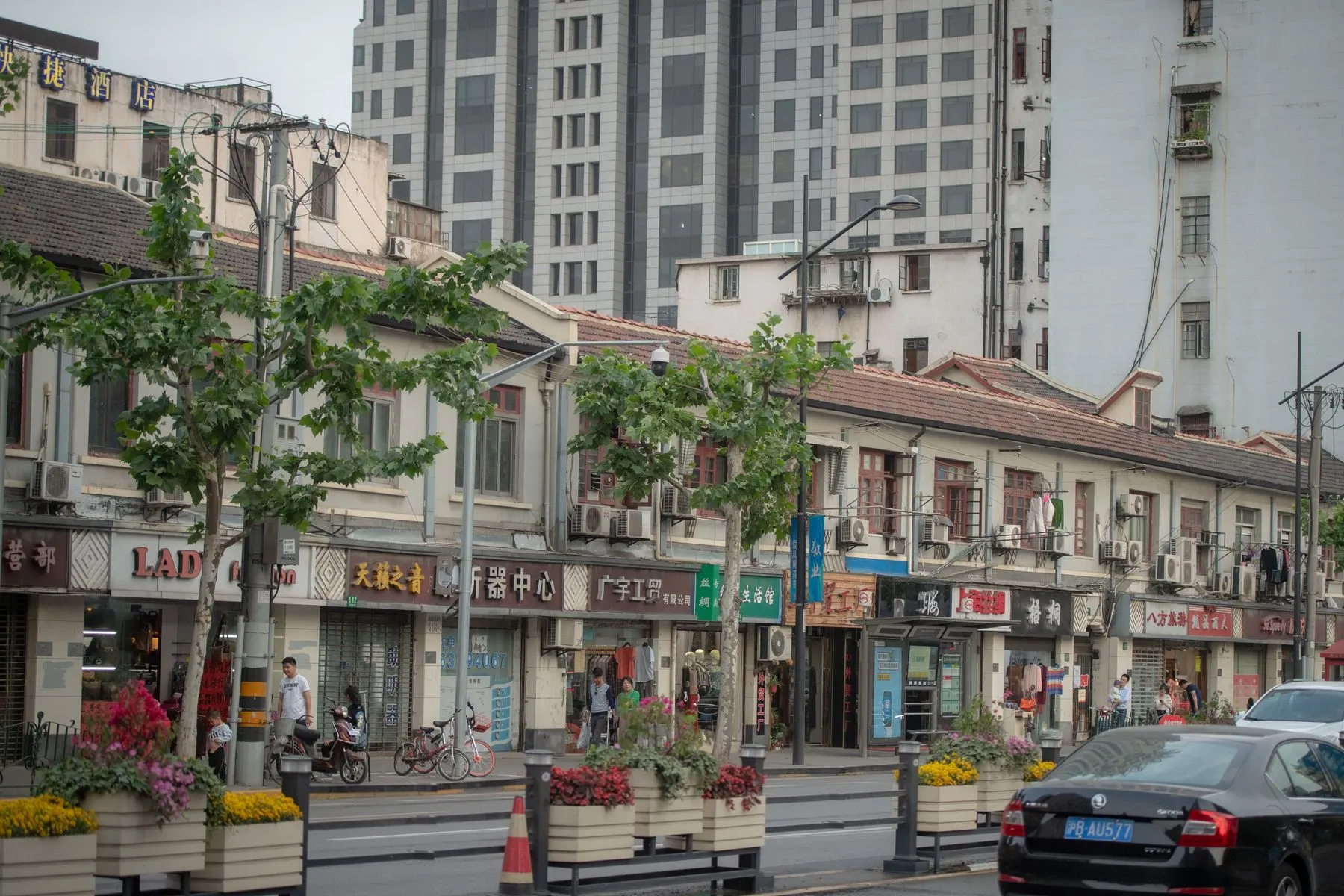
Morning: Walk Fuxing Park and nearby leafy streets.
Afternoon: Visit cafes, boutiques, and Xintiandi.
Evening: Jing'an dinner.
Transport: Short taxis and metro hops.
Food: Shengjianbao and Shanghainese vegetables.
Budget note: Local bakeries and noodle shops make easy low-cost lunches.
Day 4
Train to Hangzhou
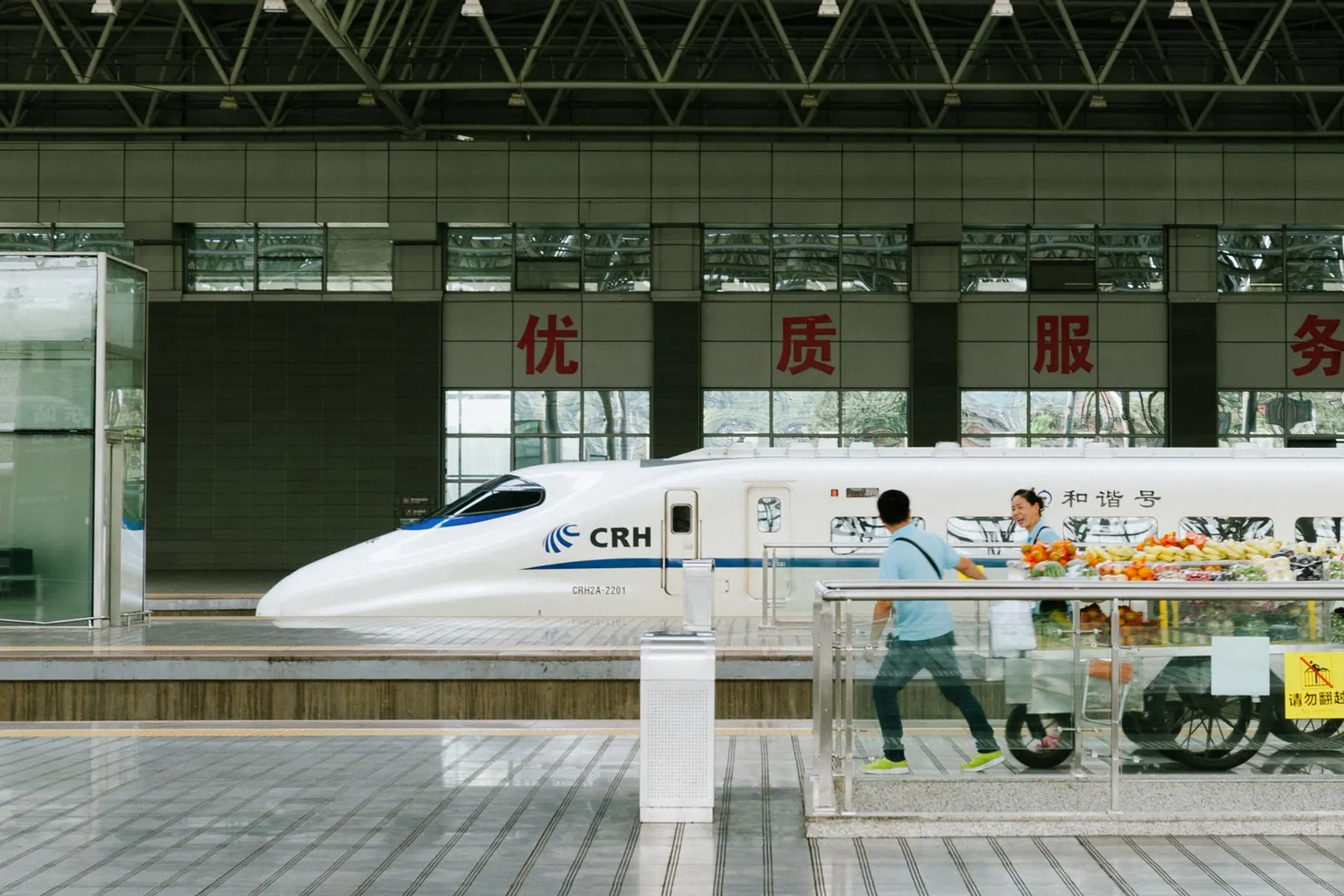
Morning: Take a high-speed train to Hangzhou.
Afternoon: West Lake walk and boat option.
Evening: Dinner near the lake or Wulin Square.
Transport: Use Hangzhou East Railway Station and local taxis.
Food: Dongpo pork, Longjing shrimp, and seasonal greens.
Budget note: Book trains in second class for strong value.
Day 5
Hangzhou Tea and Temples
Morning: Visit Lingyin Temple.
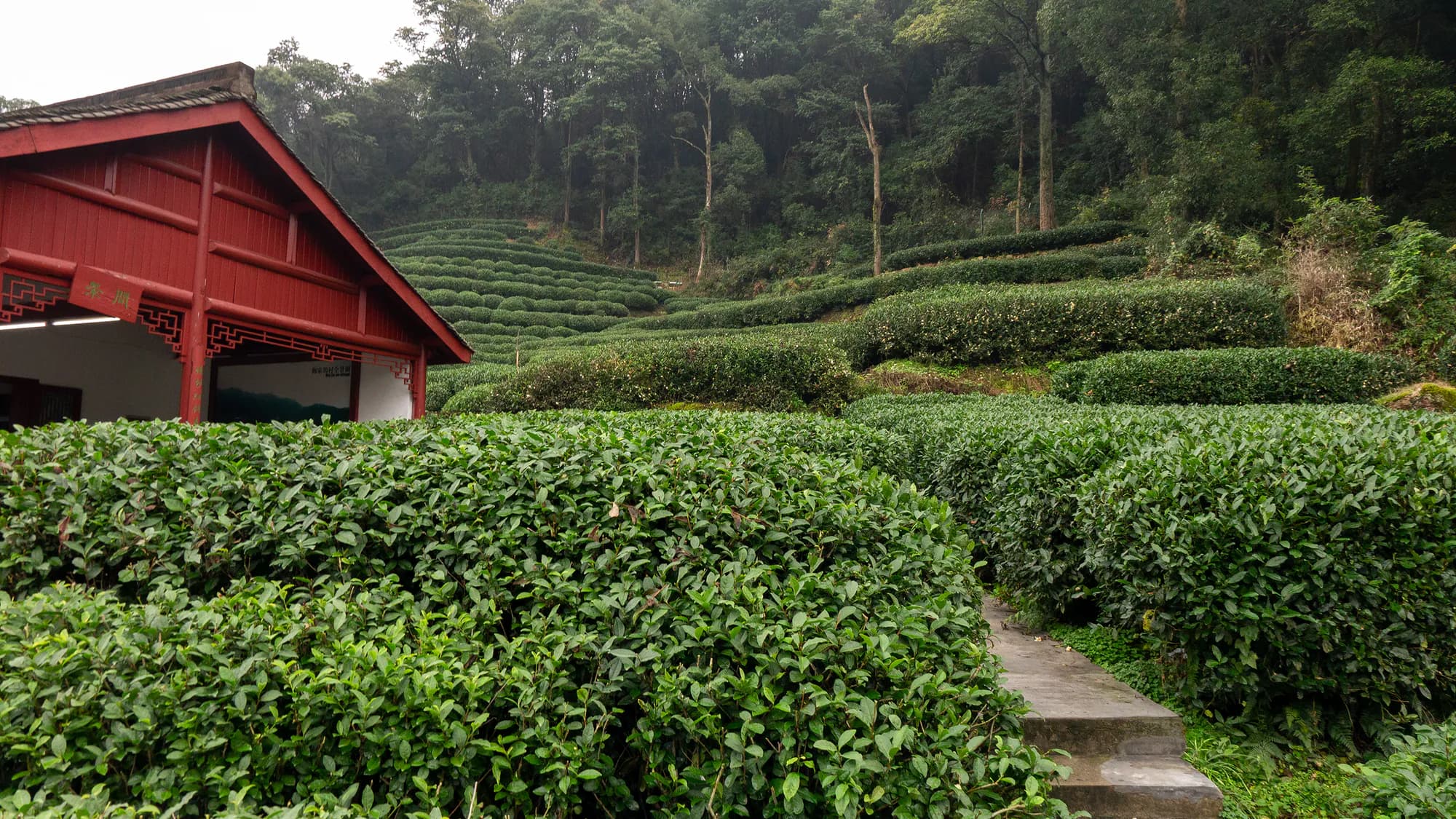
Afternoon: Longjing tea fields and tea museum.
Evening: Grand Canal area.
Transport: Taxis are easiest around tea villages.
Food: Try tea-flavored dishes and lotus root dessert.
Budget note: Ask tea prices before tasting sessions.
Day 6
Hangzhou Slow Morning, Return to Shanghai
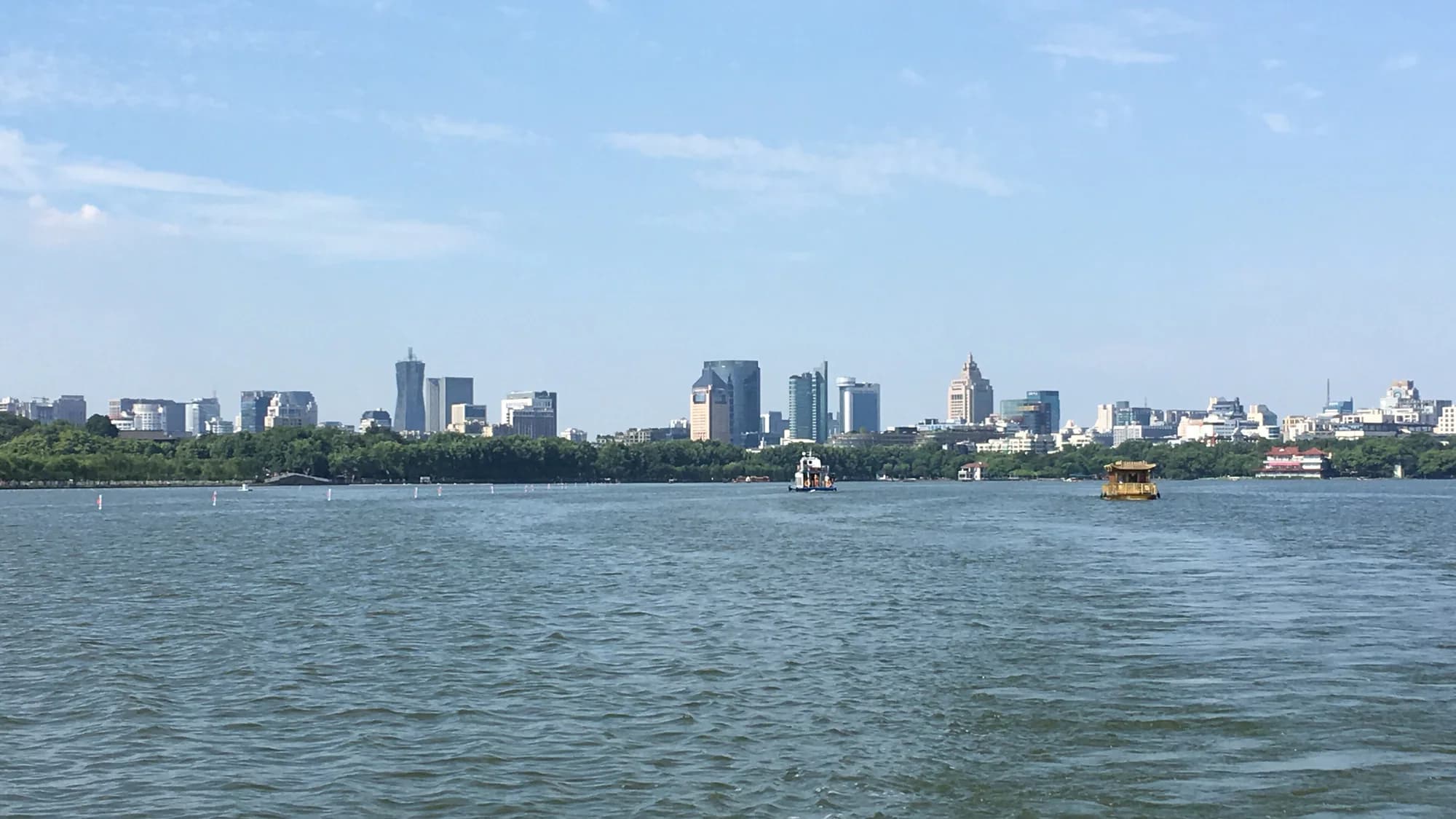
Morning: Take a quiet lakeside walk.
Afternoon: Return to Shanghai by high-speed train.
Evening: Explore a neighborhood near your hotel.
Transport: High-speed rail plus metro.
Food: Casual Shanghai dinner.
Budget note: Avoid peak-time train changes if fares are higher.
Day 7
Suzhou Day Trip
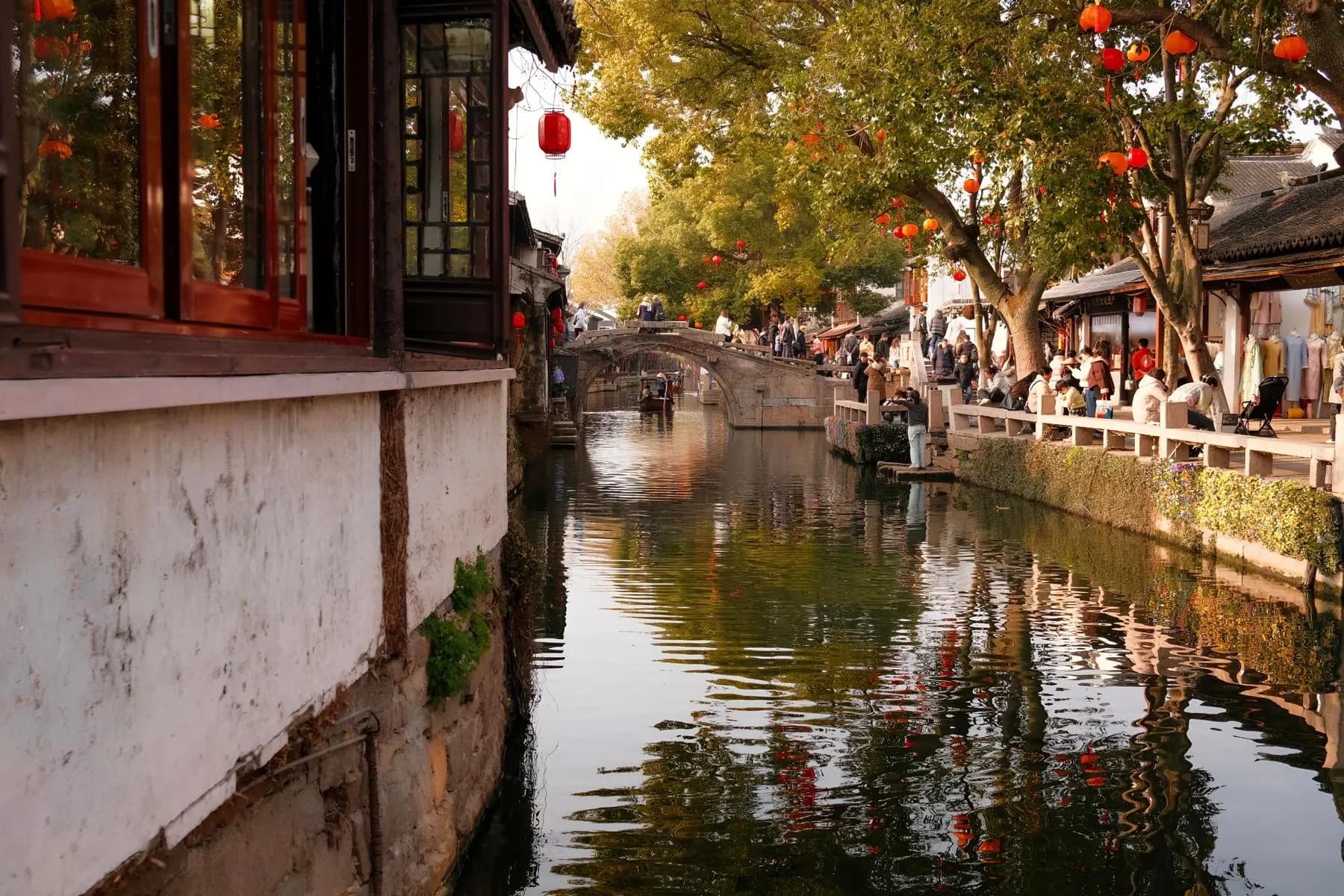
Morning: Train to Suzhou and visit Humble Administrator's Garden.
Afternoon: Suzhou Museum and Pingjiang Road.
Evening: Return to Shanghai or overnight in Suzhou.
Transport: Frequent high-speed trains connect Shanghai and Suzhou.
Food: Suzhou-style noodles.
Budget note: A day trip avoids another hotel change.
Day 8
Shanghai Modern Day
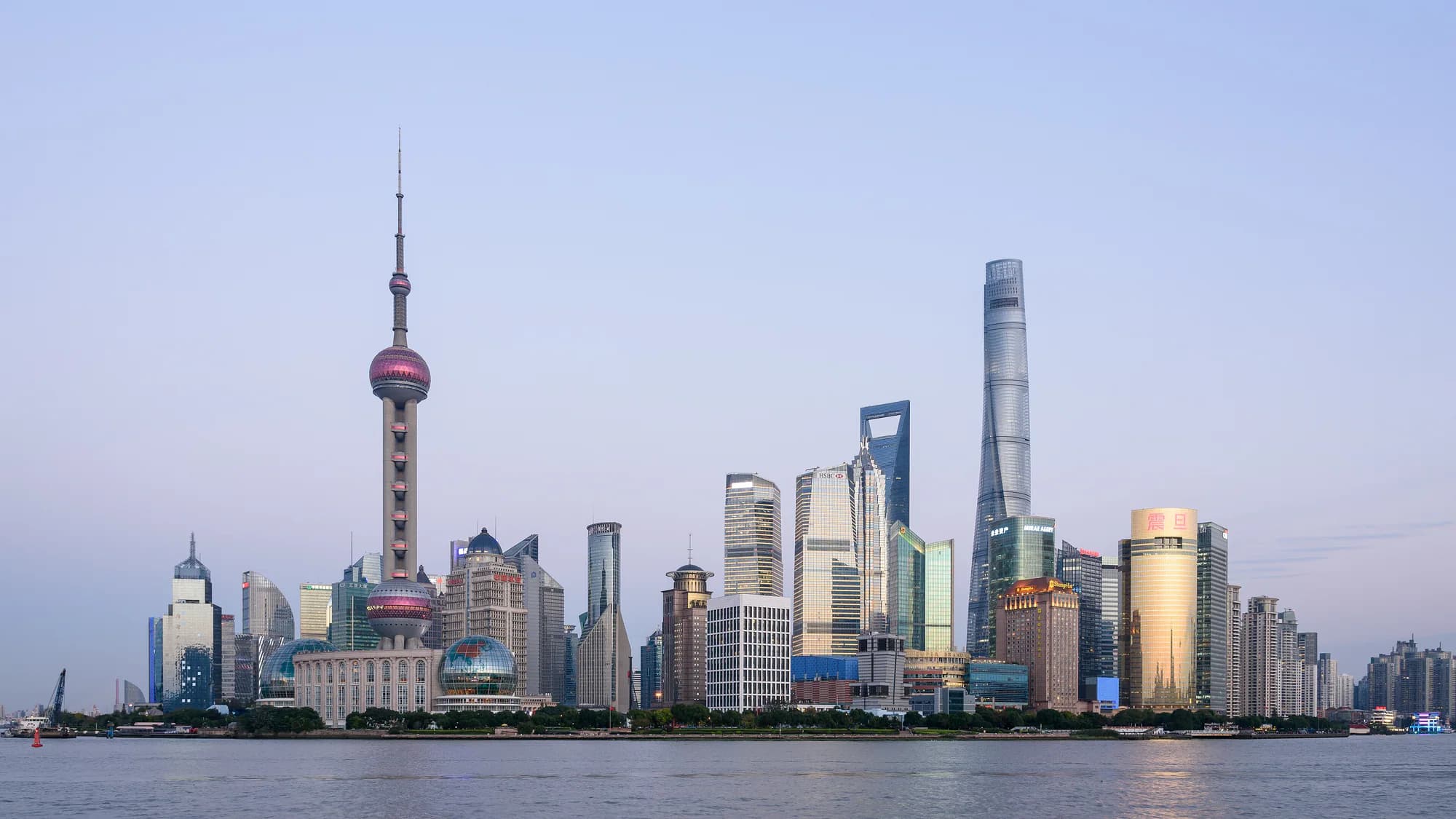
Morning: Visit Pudong viewpoint or West Bund art spaces.
Afternoon: Shopping, cafes, or a spa break.
Evening: Huangpu River cruise or rooftop view.
Transport: Metro, ferry, and ride-hailing all work.
Food: Choose one premium meal if budget allows.
Budget note: Do not pay for both a cruise and observation deck unless skyline views are your priority.
Day 9
Buffer and Optional Water Town
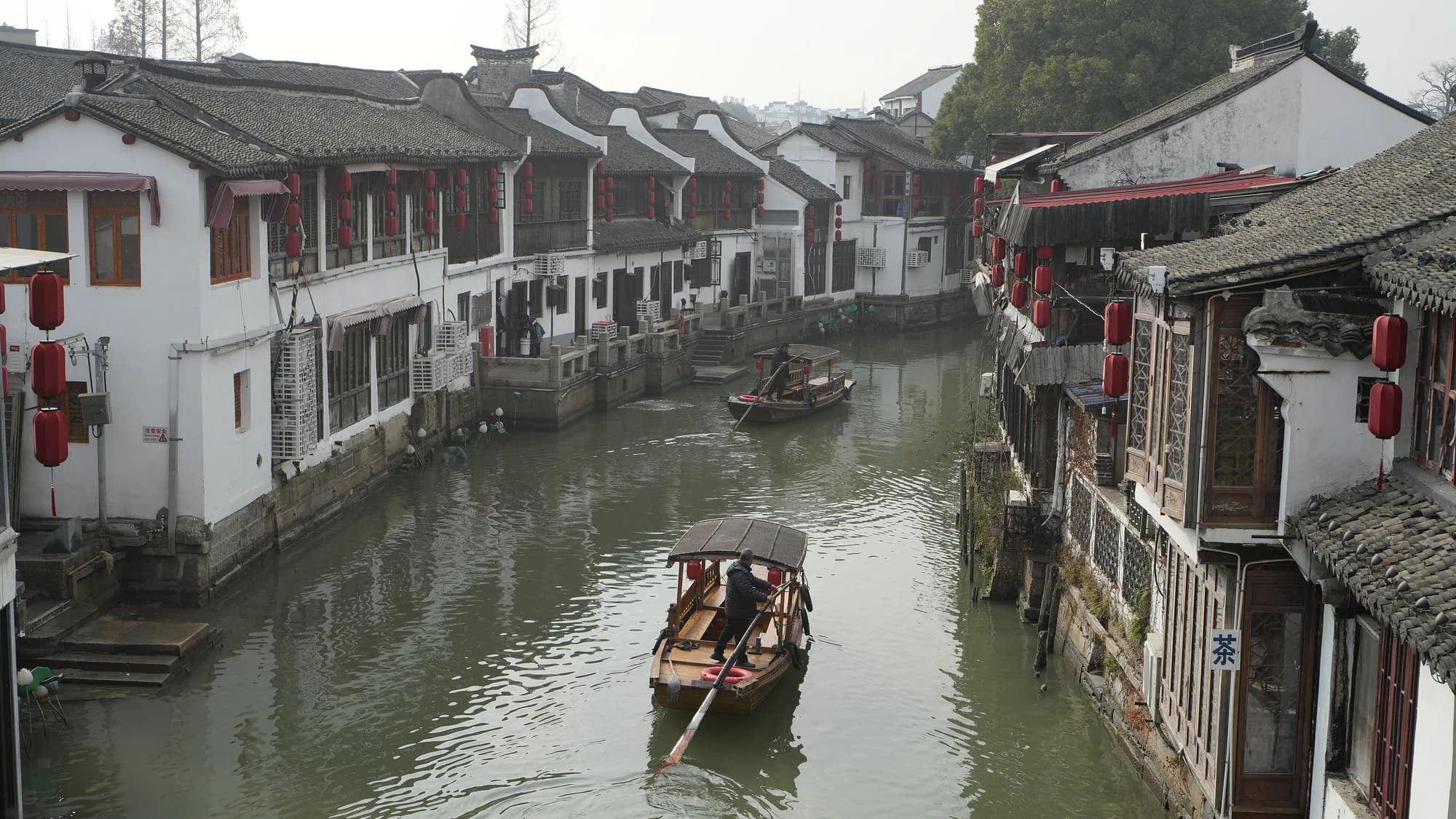
Morning: Use the morning as a buffer or visit Zhujiajiao.
Afternoon: Final shopping and packing.
Evening: Farewell dinner.
Transport: Private transfer can simplify a short water-town visit.
Food: Crab roe noodles in season or a classic Shanghainese dinner.
Budget note: A buffer day protects your departure plan from weather or delays.
Day 10
Depart to Third Country or Region
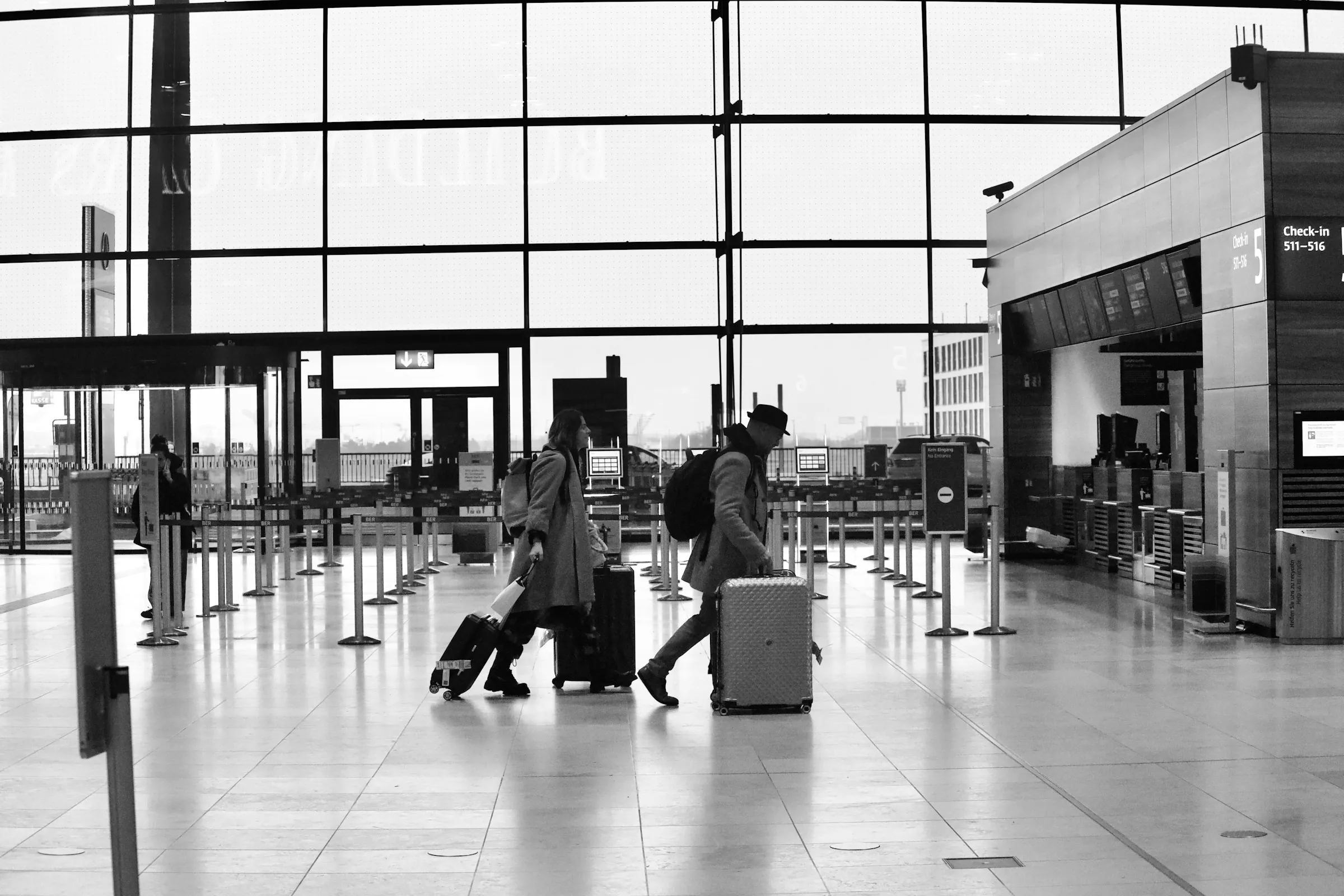
Morning: Check documents and airport transfer timing.
Afternoon: Depart from Shanghai according to visa-free transit requirements.
Evening: Continue onward.
Transport: Allow extra time for airport formalities.
Food: Use remaining app balance for breakfast or snacks.
Budget note: Avoid last-minute airport taxis during peak traffic.
Transport between cities
- Day 1: Use airport metro, Maglev plus metro, or ride-hailing.
- Day 2: Metro Line 2 is useful for many central stops.
- Day 3: Short taxis and metro hops.
- Day 4: Use Hangzhou East Railway Station and local taxis.
- Day 5: Taxis are easiest around tea villages.
- Day 6: High-speed rail plus metro.
- Day 7: Frequent high-speed trains connect Shanghai and Suzhou.
- Day 8: Metro, ferry, and ride-hailing all work.
- Day 9: Private transfer can simplify a short water-town visit.
- Day 10: Allow extra time for airport formalities.
Estimated budget
USD 900-2,000 per person excluding international flights and depending on hotel level.
What to book in advance
- Verify current visa-free transit rules with official sources before booking flights, hotels, or non-refundable trains.
- Confirm your nationality is eligible for the policy that applies to your entry port.
- Carry printed and offline proof of onward travel to a third country or region.
- Check that your arrival port, departure port, and route match the permitted policy conditions.
- Book hotels that can register foreign passport holders.
- Keep every stop within the published permitted parts of the 24 regions and the area authorized on your temporary entry permit.
Troubleshooting
- If transport takes longer than expected, drop the least important optional stop before shortening meals or sleep.
- If payment or mobile data fails, use cash, hotel Wi-Fi, or staff help before moving to the next long transfer.
- If weather changes the main plan, move outdoor skyline, garden, or walking blocks to the clearest day and use museums or malls as buffers.
What to skip
- Skip the water town buffer day and stay in central Shanghai if weather or travel paperwork has been stressful.
- Skip overnighting in Suzhou if you want fewer hotel changes.
- Skip a paid skyline attraction if visibility is poor.
Useful Chinese phrases
Please take me to this address.
请带我去这个地址。
Qing dai wo qu zhe ge di zhi.
Can I pay with Alipay or WeChat Pay?
可以用支付宝或微信支付吗?
Ke yi yong Zhi Fu Bao huo Wei Xin Zhi Fu ma?
I have a train to catch.
我要赶火车。
Wo yao gan huo che.
Less spicy, please.
请少辣。
Qing shao la.
Chinese addresses
Shanghai Pudong International Airport
Pudong New Area, Shanghai
上海市浦东新区 上海浦东国际机场
Hangzhou East Railway Station
1 Tiancheng Road, Shangcheng District, Hangzhou, Zhejiang
浙江省杭州市上城区天城路1号 杭州东站
Suzhou Railway Station
27 Suzhan Road, Gusu District, Suzhou, Jiangsu
江苏省苏州市姑苏区苏站路27号 苏州站